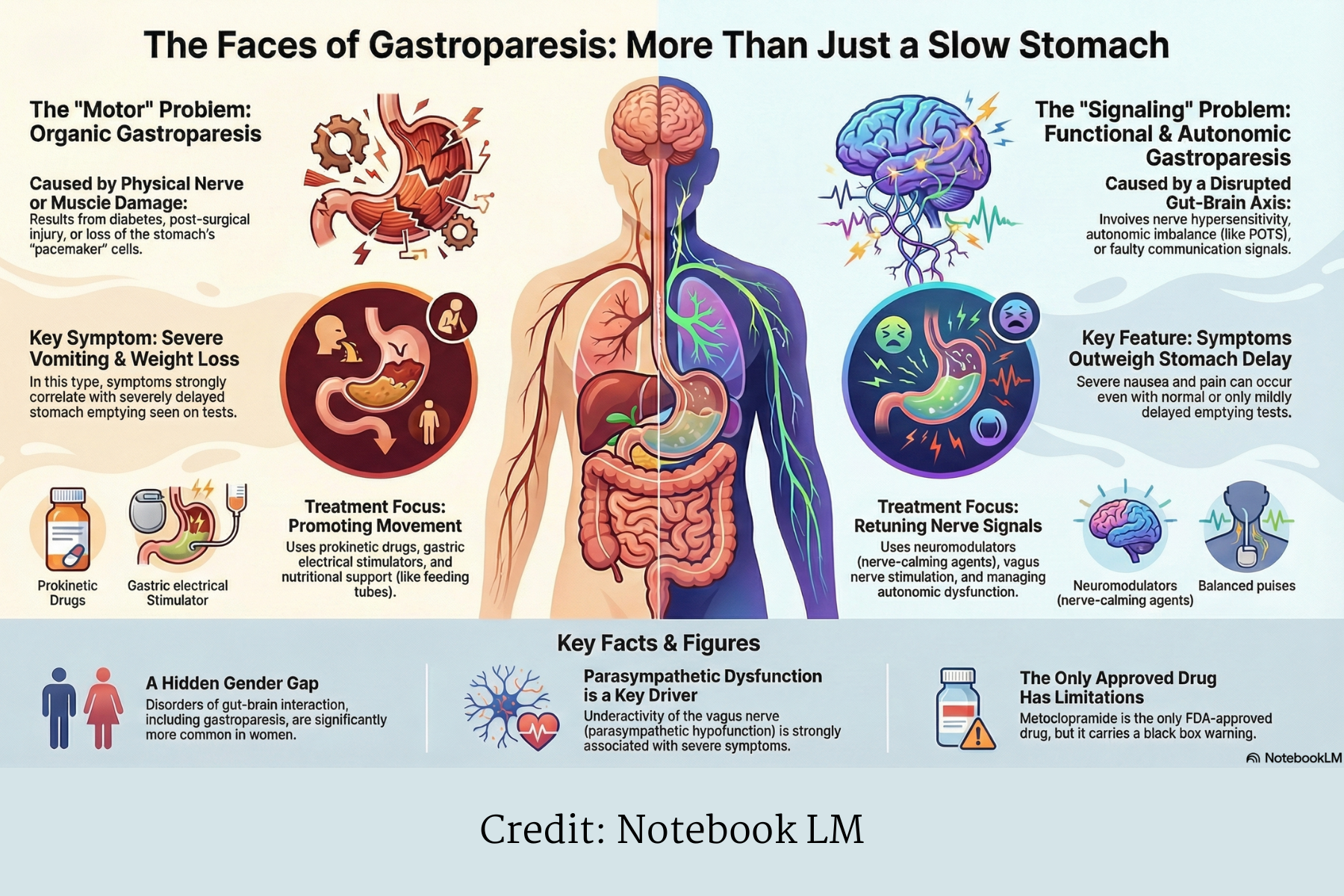
Trigger warning: weight loss, food etc
Why not revisit my 2022 gastroparesis story while I’m currently on day 17 of a gastroparesis flare? I don’t think I ever posted this story here as a whole, only in bits and pieces.
The Big Picture: In July 2020, extreme stress from working 75-80 hours a week across two jobs triggered Gastroparesis (GP), a condition where my stomach stopped digesting food correctly. After losing way too much weight and having several medical misdiagnoses, I moved into remission by strictly controlling my diet and avoiding triggers like fiber and fat.
The Financial and Emotional Onset
- The Cost of Care: I refused to go to the emergency room because of a $400 copay and the fact that ERs typically release GP patients unless they are near death.
- Initial Misdiagnosis: Urgent care doctors incorrectly suggested I had a UTI and pushed for a COVID test, which came back negative. (Forgot about this. UGH. What??)
- The Physical Toll: At my lowest point in 2021, my weight dropped from 136 pounds to 98 pounds.
The Path to Diagnosis (Finally)
- The Triggering Environment: During the onset, I was working 50 hours a week at my day job and 10–25 hours a week on my business. For resources. Not for fun. I don’t make a lot of money.
- The Definitive Test: A stomach-emptying test revealed that only 39% of my food had been digested within the standard timeframe; a normal result is near 100%.
- Medical Bias: Doctors repeatedly asked if I had diabetes, as GP is rare in non-diabetics, but my case was likely linked to stress and trauma, aka burnout.
Current Life and Remission
I am now considered in remission because I rarely vomit, though I still experience nausea if I eat “bad” foods. (Well, see the 1st paragraph of this entry.)

Dietary Restrictions (What I Avoid):
- Fiber and Vegetables: These are difficult for a GP stomach to process. Especially broccoli, which used to be a favorite.
- High-Fat Foods: This includes pizza, most fried foods, and popcorn.
- Salmon: Although often recommended by others, eating salmon caused me to lose 3 pounds in one week and led to severe vomiting
The end of my 2022 update.
Now in 2026, I have lost weight. But yesterday I ate about 800 calories. I know that’s low and won’t stop weight loss, but it’s all I can tolerate. I’m hoping to be able to eat somewhat normally by day 30 of the flare. I know I won’t be able to eat pizza, protein bars, or even most meat, but I will probably be able to eat enough carbs to maintain my weight. I’m currently only able to eat:
- Toast
- Egg whites
- Plain bagels
- rice
- Instant potatoes
- Saltine
- Pretzels
- chicken noodle soup
- StarKist Tuna Creations, aka tuna in a pouch
- sourdough bread
- Grape jam (for bagels, toast)
- Syrup (for toast – sugar-free made me sick, so only regular syrup for now)
This seems like a lot typed out. But I don’t eat these foods unless I’m sick, so it’s a constant reminder that I have gastroparesis, but at least I’ve moved on from just chicken noodle soup. When can I eat an egg yolk? I miss real (full) eggs.

You must be logged in to post a comment.